

Stellar Plates: You are the co-founder of The Best Chef project, which today is one of the most important initiatives of this type in the world. However, I would like to go back to the beginnings. Where did the idea to create this project come from, what were the first years like, and was it difficult?
Joanna Slusarczyk: The idea for The Best Chef actually came from my husband, Cristian. He has always been a huge fan of gastronomy, he worked in restaurants in various positions – from waiter, cook, to owner – and he knows this world very well. At some point he noticed that there was a lack of a project that would appreciate the chef himself, not only the restaurant as a place. He wanted to create something that shows the human being. His personality, vision, and creativity. I myself come from a completely different world. I am a pharmacist, I obtained a PhD in neuropsychopharmacology and worked in clinical research. When Cristian came to me with the idea, my first reaction was rather “Have you gone crazy?” We had no sponsors, publishers, or partners. He had a love for gastronomy, I had a love for science and a need to organize what he was inventing. I started helping him logistically, initially as a hobby, but quickly the project became my full-time job. The beginnings were difficult. Mainly because everything was created very organically, without a budget, from our homes, after hours. Over time, The Best Chef developed into a large, international project. We put a huge amount of work and heart into it, and today we see that it was worth it.
SP: Today it is a huge success, but do you ever think “I would go back to a calm eight-hour job” instead of constant logistics planning, setting dates, and constantly thinking whether something will work out or succeed?
JS: There are such moments. Responsibility grows year by year. Both towards chefs, restaurants, partners, and the team. This is a big project, and with that comes a big psychological and organizational burden. Sometimes I joke that I would like to throw everything away and go to the Bieszczady. This year’s event was supposed to take place on another continent, but in the end we moved it to Milan. Planning an event of this scale in two months was a huge challenge. Logistics sometimes resemble Tetris. Elements have to fit together, and sometimes something suddenly stops fitting. This environment is dynamic, and the human factor is unpredictable. Despite this, I know that if I had a calm job, I would quickly start missing this pace and the energy of the project.
SP: Next year The Best Chef will celebrate its tenth anniversary. Were there moments during these years when it seemed that the project might not survive?
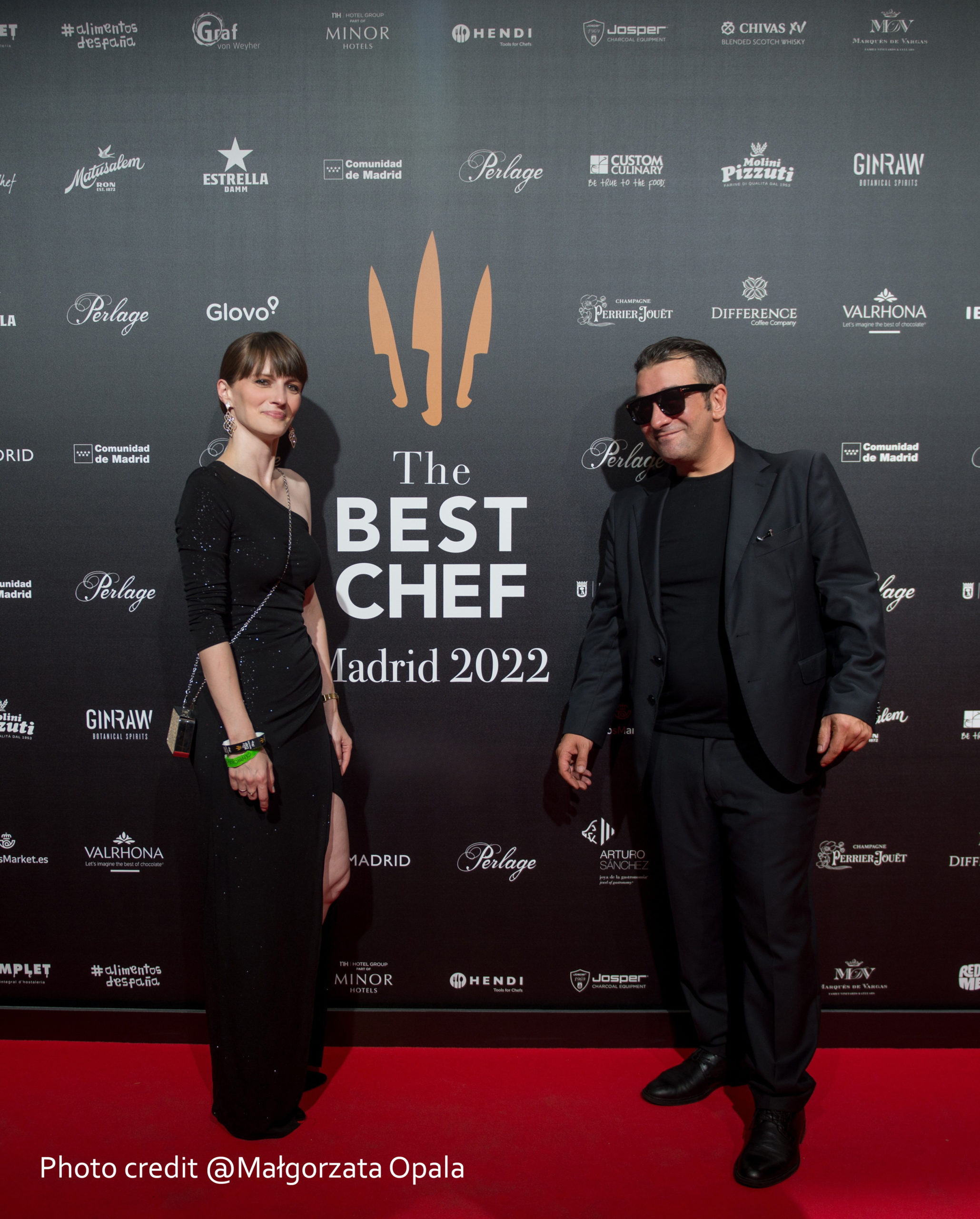
JS: Paradoxically, such a moment was the second year, that is Milan 2018. After a very successful debut in 2017, the development of the project surprised even us. In Milan we made some technical and organizational mistakes. It was a cold shower. In 2019 in Barcelona we decided to organize everything and proved to ourselves that we can run the project professionally and stably. It was a good lesson in humility.
SP: And the pandemic? Did concerns about the future of the project appear then?
JS: When it comes to The Best Chef, we were more worried about the situation of chefs and restaurants, about gastronomy as a whole, than about the project itself. From the beginning, The Best Chef had a strong online base. It operated on social media and on the website, so we knew that we could continue to function in the virtual space. In 2020 we decided to organize a virtual edition of the awards ceremony. The idea was to raise the morale of chefs. Many people later told us that it was a good idea, although for us personally it was a sad experience. We missed face-to-face contact with people. In the case of The Best Chef, the pandemic meant a change of format. As for concerns, we were definitely more afraid for restaurants and chefs. Many of them were very strongly affected by the pandemic, the period was long and required enormous creativity. Chefs organized various actions and initiatives, looked for new ways of operating. It showed that in difficult moments we are able to unite and act despite very demanding circumstances.
SP: After the publication of our coverage from the gala, we received a lot of questions from chefs from all over the world about the rules of The Best Chef distinctions. What does a chef have to do to be taken into account? Does one have to apply somewhere, fill in a form, or does it look different?
JS: At the moment we do not have a formal application system. However, one can always send us an email with a presentation, photos, and video. This helps us get to know a given chef. There are really two levels. The first is publications on our channels. We often show people there who are not yet included in the guide. Such presence can help to be noticed by our voters. The second is the voting process itself. It takes place once a year, lasts a month, and is carried out via an online form. In the last edition we had 972 voters, including 572 chefs who had been in the guide the year before. In several countries we added additional so-called voting chefs to maintain geographical balance. About 400 people were so-called professionals, i.e. journalists, photographers, and other people closely connected with gastronomy, who regularly visit restaurants and chefs. Candidates for voters go through verification. They fill in a questionnaire in which, among other things, they declare the absence of conflicts of interest. They cannot represent chefs or restaurants, they cannot have financial connections with them. We also ask which restaurants they have visited in recent months and in the last year, to be sure that they know the gastronomic scene and really are experts. The voting itself consists of three parts. The first is awarding points from 10 to 1 to chefs whom a given person considers the best based on their own experiences. Chefs cannot vote for themselves or for chefs from their own restaurant. The second part concerns additional points for specific characteristics: creativity, techniques, terroir (editor’s note: i.e. strong rootedness in place; local products, traditions, natural conditions) as well as involvement in social and educational projects. Voters indicate chefs to whom they want to award additional points in these categories. The third part is related to special awards, e.g. The Best Pastry Chef or The Best Chef Next Generation for a young, emerging chef. Technically, voting is simple. Later the votes are verified and counted, and we prepare a presentation of the results for the event.
SP: To what address can chefs send such submissions and materials to be noticed by your project?
JS: Best to info@thebestchefawards.com. This is our general address provided on the website. From there, messages are forwarded to the appropriate people, and there is always someone who responds to emails on an ongoing basis and helps with various matters.
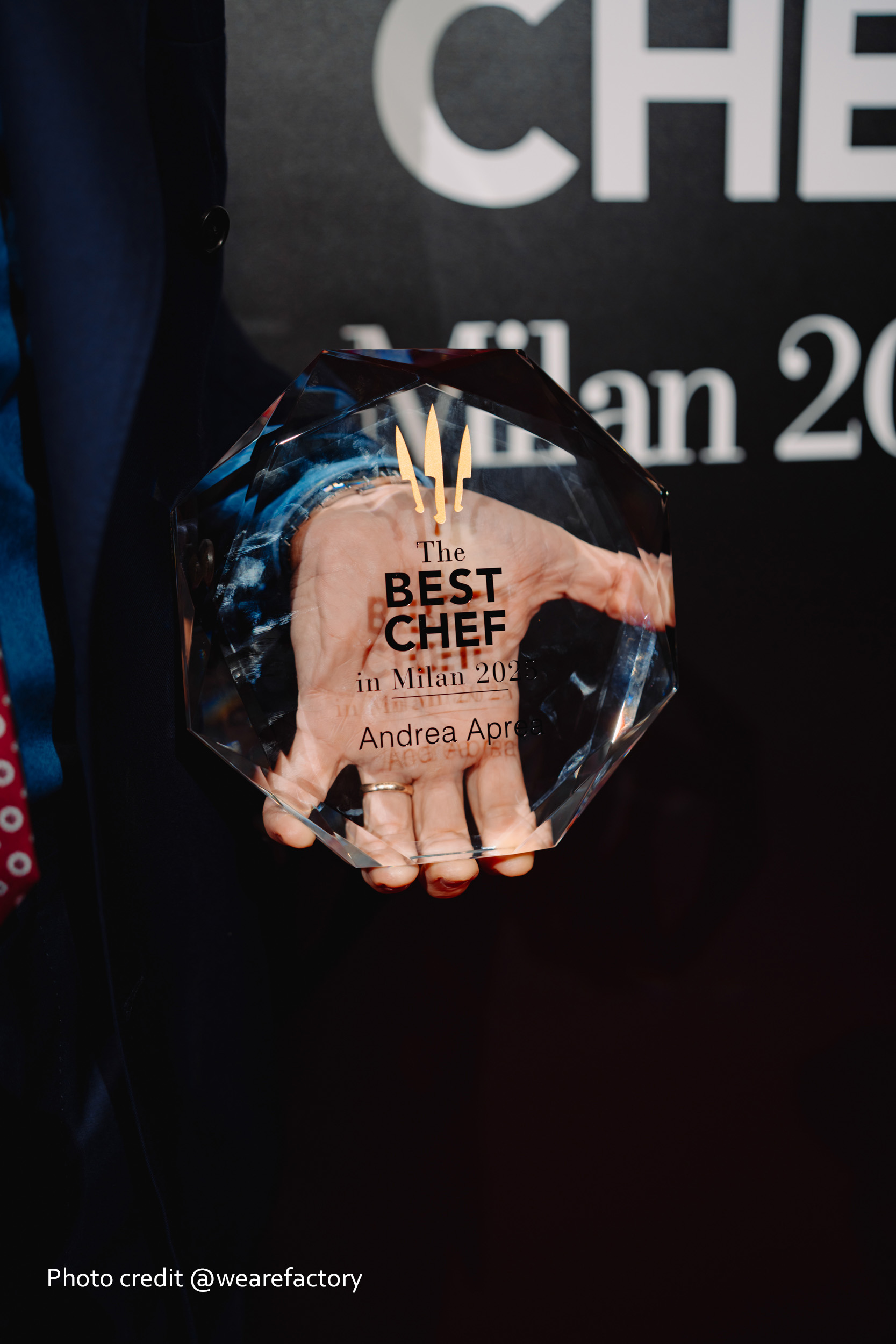
SP: Let’s move on to the awards, that is, the knives. If a chef receives one, two, or three knives, can they assume that this distinction will stay with them forever? Do they have to confirm their position in subsequent years? Have there been cases of a knife being taken away?
JS: The knife is an annual distinction. This means that it can be both awarded and taken away. So it works both ways. The first time we had such a situation was this year, because the knife system has been functioning since 2024. There were cases of changes both up and down. Among chefs with three knives, I am talking about actively working ones, there was one such situation. With one knife there were a bit more of these changes. There are also situations when a chef leaves the profession. Then they automatically lose their knives, because they are no longer professionally active.
SP: After the announcement of the results, do complaints from chefs occur? For example, someone expected two knives, received one, or did not receive a knife at all?
JS: Yes, such situations do occur. We always emphasize then that it is not us personally who decide about this. We create the project, the structure, we organize the process, but the voters decide about the distinctions. We only collect and count their votes. We also tell chefs: you can thank us for the event and the organization, for the fact that we had a good time at the gala. But for the distinction, thank yourself above all, because it is the effect of your work and how the voters assessed you.
SP: Do you think that distinctions such as Michelin stars or The Best Chef Awards really influence the development of gastronomy? Or is their role rather marketing and prestige?
JS: They certainly have a marketing and prestige dimension, but from our experience it appears that the impact is much deeper. After our events we often hear from chefs that thanks to them they met other cooks, organized four-hands dinners, took part in new projects. This shows that the event has a real networking value. Side projects, social and educational ones, which chefs run, are also important. Distinctions make it easier for them to develop these initiatives. It happens that after speaking at our conference someone receives further invitations to events or to cooperate. And there is also a simple economic dimension. After the knives are awarded, the number of reservations often increases, interest in a given chef and their restaurant grows. In practice, you can see that it works.
SP: In Poland people talk about a culinary renaissance. How do you assess the potential of Polish gastronomy against the background of the international scene, and how has this image changed over the years?
JS: I believe that we have very great potential as Poland. Both when it comes to chefs and to gastronomy as a whole. Several decades of communism certainly did not help us. It caused delays compared to countries such as France, Italy, or Spain. For a long time, the culture of eating and going out to restaurants was, in a sense, under pressure.
After Poland opened up, we went through a stage of fascination with French and Scandinavian cuisine. Today we are returning more and more strongly to Polish cuisine. We appreciate it, reinterpret it, play with it. More and more chefs base their menus on Polish traditions, adding modern techniques and their own twist. This is a very good trend. Other countries build their culinary position on such a foundation. Gastronomy is also a carrier of culture. When traveling, we get to know a country through food, products, traditions. Poland really has nothing to be ashamed of. We should be proud of our traditions and products. I often repeat that when it comes to fermentation, the Nordic countries played it brilliantly in marketing terms, but our great-grandmothers have been pickling cucumbers for a long time. This is nothing new for us. We have had this background for years. The most important thing is for new generations of chefs and the entire hospitality industry to show this without complexes. Sometimes I still have the impression that we have them a bit, that “maybe we are worse”, that “maybe we have nothing to show”. And we do! Really! We still lack a bit of marketing, the ability to tell the world about it, but that can be made up for.

SP: Do you agree with the observation that the current level of Polish gastronomy has been strongly influenced by chefs who previously worked abroad and returned to the country? Practically all Polish Michelin-star chefs gained their experience outside the country. They decided to return and thanks to them the level of Polish gastronomy rose significantly.
JS: Yes, definitely. The generation of chefs around thirty to forty years old gained experience in foreign, often Michelin-starred restaurants, is more aware, has a clearly defined idea of themselves. They brought part of their competencies from abroad, and developed part already here. In addition, there is the fact that our parents’ generation was not used to going out to restaurants like, for example, in Italy. Changing this habit required time. Now it can be seen that we are going in a good direction. We have more and more interesting, more and more aware chefs. We have nothing to be ashamed of; rather, we should act more boldly and better communicate what we already have.
SP: What do you see as the biggest pros and cons of working on The Best Chef project from the perspective of these almost ten years?
JS: As for the pros, it is certainly development – of the project and of ourselves. Personal, professional, emotional development. Meeting extremely interesting people, getting to know different gastronomic cultures, traveling. All of this is a huge plus. A great satisfaction also comes from the awareness that we are really helping someone. When we hear that thanks to the fact that we showed someone on our channels, or thanks to speaking at the conference, someone achieved success, new opportunities opened up for them. That is very motivating.
As for the cons, it is above all enormous responsibility. The project is big and constantly growing, so responsibility also grows – towards the team, chefs, restaurants, partners. Added to this is a large number of working hours. Everyone laughs at me that I am a perfectionist and a workaholic, but that is just my character. There are also more and more difficult strategic decisions. Which direction to go, what not to do, how to develop the project so as not to make mistakes. This can be burdensome.
SP: And what does your “field” work look like? How many restaurants do you visit roughly per year?
JS: I travel less than Cristian. I deal more with the “office–computer” part, that is documents, organization, logistics. In addition, I have a dog, so every trip requires planning. Cristian flies a lot. Usually at least three times a month he is somewhere on the road. I have periods when I travel a lot and periods when I stay at home and catch up on paperwork. For example, after the event in Warsaw at the end of November, I plan to stay in place until the end of December to focus on documents and organization.
SP: Do you have your favorite restaurant in the world? A place you would always be happy to return to?
JS: This is the hardest question for me, which is why I do not like it. It is really difficult to point to one restaurant. I joke that after several consecutive fine dining dinners, what I need most is… pizza. Hence also a somewhat natural transition to the project The Best Pizza. This is our “breathing day”. Fine dining is associated with a huge number of stimuli, flavors, textures, products. I admire people who are able to eat a tasting lunch and dinner day after day for several days in a row. I do not have one favorite restaurant. There are places all over the world that I like to return to, but I will not indicate one “number one”.
In Kraków, where I live, I really like Bufet of Przemek Klima. It is a place I will always gladly go to. Globally, however, everything depends on the city, the company, the mood. It is difficult to reduce it to one name.
SP: I will also ask about plans for the future. The tenth edition is approaching. In which direction do you want to develop The Best Chef? Can we expect any novelties on the occasion of the tenth anniversary?
JS: We have specific plans, although I cannot talk about all of them yet. I see two main directions. The first concerns completely new areas that still require time and work, so for now they remain “in the drawer”. The second is the development of the educational part, i.e. conferences, especially Food Meets Science, which is very close to me. I would like to smuggle as much science, research, and a broader context into gastronomy as possible. We also plan more regional conference events; we are in the planning stage. The tenth edition itself is supposed to be truly special. We would like it to be a big experience for all guests.
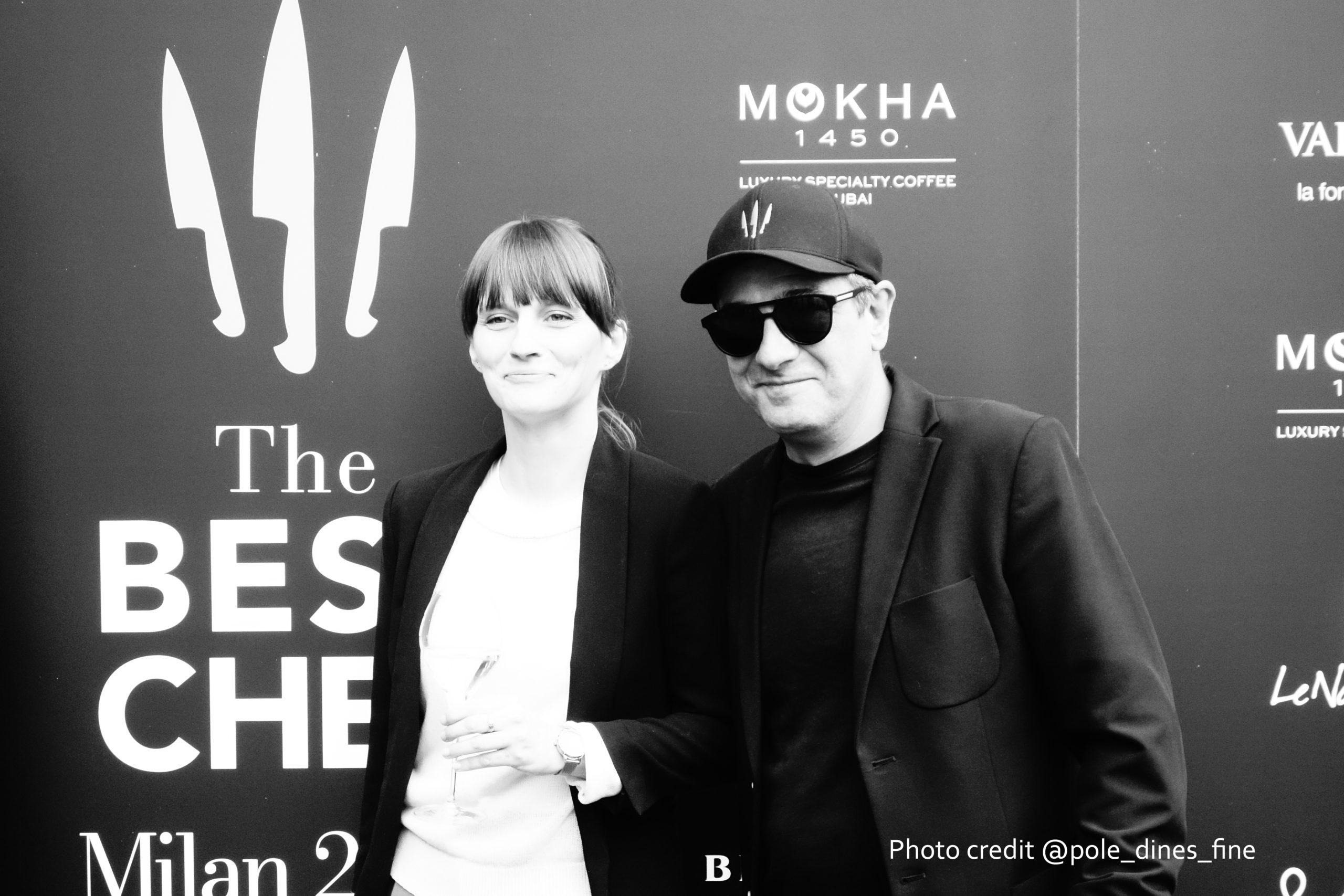
SP: Can you reveal where the next edition will take place? It is said that it might be Poland.
JS: The first edition in 2017 took place here, so we would very much like to return. I personally would also like that. Whether it will happen already next year and whether it will be a The Best Chef event, we will see. I believe that today in Poland there are many very aware chefs with a clear vision, so there is really something to show.
Where exactly the next event will take place, I cannot yet reveal. We plan to announce the location in the first quarter of next year, a bit earlier than in previous years, so that everyone can calmly plan their trip.
SP: And finally a local question – from the perspective of the Tri-City, where we in turn live. Do you see the possibility that more than one chef from the Tri-City will gain knives in the future? Does this region have potential for a greater number of distinctions?
JS: We definitely see such potential. In Sopot there is our winner of The Best Chef Rising Star from 2017, Rafał Koziorzemski, who at that time was exactly that rising star.
In the Tri-City there are quite a few venues and several really interesting chefs. I myself like the Tri-City very much as a place to spend time, so I also see great potential there from the gastronomic side.
SP: Thank you very much for the conversation and for your time.
JS: Thank you very much.